Category: public

Bien démarrer sur StageMatch : guide de l’équipement scénique professionnel d’occasionBien démarrer sur StageMatch : guide de l’équipement scénique professionnel d’occasion


Choisir du matériel scénique professionnel d’occasion demande de concilier exigences techniques, état réel, budget et contraintes de transport. Une console, un système de diffusion, un projecteur ou une structure doit convenir à l’usage prévu tout en restant fiable et compatible avec le parc existant. StageMatch réunit des équipements professionnels de sonorisation, d’éclairage, de vidéo et de scène sur une place de marché interentreprises dédiée à l’achat et à la vente. Ce guide présente une méthode concrète pour comparer les annonces, évaluer les équipements et préparer une acquisition adaptée à vos activités.
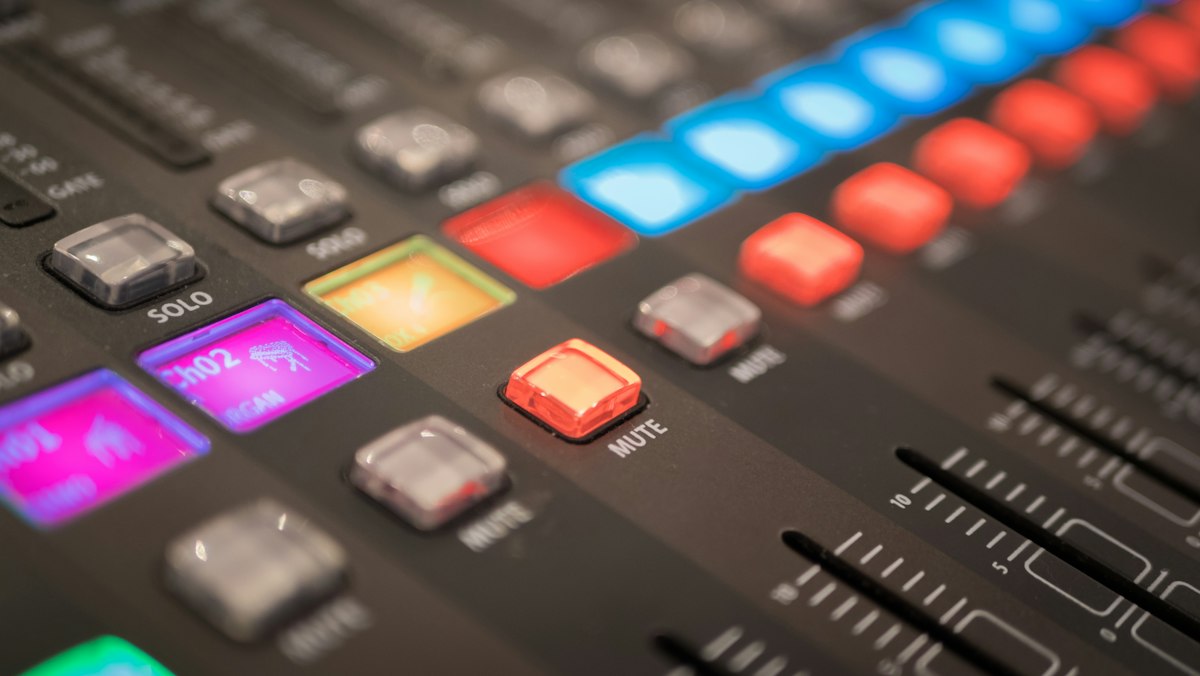
Un point de départ concret pour choisir un équipement scénique professionnel

L’équipement scénique professionnel rassemble les appareils et accessoires qui rendent possible une production, une installation ou une prestation en public : systèmes audio, consoles de mixage, projecteurs, matériel vidéo, structures, moyens de communication et solutions de transport. Dans un contexte professionnel, le choix ne repose pas uniquement sur le prix affiché. Il faut vérifier l’adéquation entre les caractéristiques du matériel, les besoins de l’équipe et les conditions d’exploitation, qu’il s’agisse de tournées, de salles de spectacle, d’événements temporaires ou d’installations permanentes.

L’occasion peut donner accès à des équipements éprouvés et à des gammes professionnelles sans imposer le coût d’un achat neuf. Elle demande toutefois une vérification méthodique : état fonctionnel, accessoires inclus, connectique, historique d’entretien et disponibilité de pièces de rechange. Une place de marché interentreprises permet de parcourir différentes familles de matériel dans un même environnement et d’identifier des annonces pertinentes. Pour comparer utilement, préparez d’abord une liste des caractéristiques indispensables, puis examinez les renseignements fournis et demandez les précisions qui manquent avant de prendre une décision.

Bien démarrer sa recherche de matériel scénique sur StageMatch

Une recherche efficace commence par un besoin clairement défini. Notez le rôle attendu de l’équipement, le type de production, la fréquence d’utilisation et les contraintes de rangement ou de déplacement. Cela évite de retenir un appareil intéressant en apparence mais inadapté à votre installation. Sur StageMatch, utilisez les catégories correspondant à votre projet, puis comparez les annonces en tenant compte des spécifications et de l’état déclaré. Les étapes ci-dessous offrent un parcours simple pour passer du besoin initial à une vérification sérieuse, sans négliger les questions pratiques liées à l’achat de matériel professionnel d’occasion.

  1. Définir l’usage : précisez le contexte d’exploitation, le niveau de puissance ou de capacité requis, ainsi que les contraintes de compatibilité avec votre équipement actuel.
  2. Choisir une famille : ciblez le son, l’éclairage, la vidéo, la scène ou les accessoires de transport selon le besoin prioritaire de votre équipe.
  3. Comparer les annonces : examinez le modèle, l’état indiqué, le prix, les quantités proposées et les éléments inclus plutôt que de vous arrêter au seul montant.
  4. Demander les détails : sollicitez des renseignements sur le fonctionnement, les défauts éventuels, les réparations, les accessoires et les conditions de remise ou d’expédition.
  5. Planifier la réception : vérifiez les dimensions, le poids, l’emballage et le transport, puis organisez un contrôle à l’arrivée avant la mise en service.
  • Un besoin défini facilite la comparaison entre des équipements réellement adaptés.
  • La vérification des accessoires limite les surprises au moment de l’installation.
  • La préparation du transport protège le matériel et réduit les difficultés logistiques.
  • Un contrôle avant mise en service permet de repérer rapidement tout écart avec l’annonce.

Comparer les annonces et préparer une acquisition adaptée

La fiche d’une annonce doit être lue comme un ensemble d’indices, et non comme une garantie de convenance pour votre parc. Comparez les références exactes, les fonctions disponibles, les formats de connexion et les besoins d’alimentation. Par exemple, une console numérique Yamaha CL5 d’occasion en bon état est annoncée à 11 700 €. Ce prix et cette description constituent un point de comparaison, mais l’acheteur doit encore confirmer la configuration, les accessoires fournis, le fonctionnement des commandes et les modalités de livraison. Pour des éléments audio volumineux, vérifiez également leur état mécanique et les moyens de manutention nécessaires.

Les accessoires jouent un rôle essentiel dans la valeur opérationnelle d’un achat. Un caisson de transport adapté peut protéger les appareils pendant les déplacements et faciliter le chargement, tandis que les câbles, supports et pièces de montage déterminent parfois si le matériel peut être utilisé dès sa réception. Il est donc utile de poser des questions précises sur chaque élément inclus et de demander des informations complémentaires lorsqu’un point essentiel n’est pas indiqué. Pour structurer votre comparaison, retenez notamment les critères suivants :

  • État annoncé : demandez ce que recouvrent les mentions d’état et faites préciser les défauts visibles ou fonctionnels.
  • Compatibilité : confirmez les connexions, formats, commandes et exigences d’alimentation avec votre installation.
  • Éléments fournis : identifiez câbles, alimentations, accessoires, protections et pièces de montage compris dans la vente.
  • Logistique : estimez le poids, l’encombrement, la protection nécessaire et le coût de transport jusqu’au lieu d’utilisation.

Les annonces peuvent aussi concerner des composants ou des pièces détachées plutôt qu’un système complet. Des pièces de rechange Digidesign D-Show, par exemple, sont proposées d’occasion en bon état au prix de 123 €. Ce type d’achat peut répondre à un besoin de maintenance, à condition de vérifier la référence exacte et la compatibilité avec le matériel concerné. En distinguant dès le départ l’achat d’un équipement complet, d’un accessoire ou d’une pièce, vous pouvez comparer des offres de même nature et éviter de bâtir votre budget sur des éléments qui ne répondent pas au besoin opérationnel.

Les avantages d’un équipement professionnel de seconde main

Le marché de l’occasion peut apporter une réponse souple aux besoins des prestataires, des salles, des loueurs et des équipes techniques. Il peut permettre de compléter un parc existant, de remplacer un appareil devenu indisponible ou de trouver un équipement pour une activité particulière. L’intérêt dépend toutefois de la qualité de l’évaluation et de la pertinence du produit choisi : un prix inférieur ne compense pas une incompatibilité ou un état qui ne convient pas à une utilisation soutenue. Une comparaison structurée aide à équilibrer le coût d’acquisition, la durée d’usage attendue et les besoins d’entretien.

  • Maîtrise du budget : l’occasion offre une autre voie d’achat pour accéder à du matériel conçu pour des usages professionnels.
  • Choix diversifié : les catégories couvrent le son, l’éclairage, la vidéo, les équipements de scène et des accessoires spécialisés.
  • Renouvellement ciblé : il est possible de rechercher une pièce, un appareil ou un complément précis plutôt que de remplacer tout un ensemble.
  • Réemploi du matériel : prolonger la vie d’équipements fonctionnels contribue à une gestion plus raisonnée du parc technique.

La diversité des annonces peut être utile autant pour les besoins de spectacle que pour les opérations de maintenance et de préparation logistique. Les professionnels peuvent notamment examiner des solutions de communication, des équipements informatiques et de réseau, des caisses de transport ou des accessoires de scène. Pour que ces avantages soient réels, établissez un coût global : prix d’achat, transport, pièces manquantes, remise en état éventuelle et temps consacré aux essais. Cette estimation donne une base plus fiable qu’une comparaison limitée au montant affiché et aide à choisir l’équipement qui répond le mieux au cahier des charges.

Vérifier l’état, la sécurité et les conditions de réception

Avant l’achat, demandez des renseignements concrets sur l’état de fonctionnement et l’historique disponible : fréquence d’utilisation, entretien effectué, réparations connues et défauts observés. Pour un appareil audio, vérifiez les entrées et sorties, les commandes et les fonctions importantes pour votre configuration. Pour l’éclairage, intéressez-vous aux connecteurs, aux systèmes de fixation, aux mouvements et aux fonctions de contrôle. Pour le matériel vidéo, examinez les formats pris en charge, les connexions et les éléments optiques, le cas échéant. Ces contrôles doivent être adaptés au type de matériel et réalisés par une personne compétente lorsque l’équipement présente des exigences techniques particulières.

La sécurité ne se limite pas au fonctionnement électrique. Les systèmes de fixation, les structures, les accessoires de levage et les caisses doivent être examinés selon leur usage prévu et les règles applicables à votre installation. En cas de doute sur une pièce porteuse ou un dispositif soumis à des contraintes importantes, ne vous fiez pas à une simple apparence : demandez la documentation disponible et faites appel à un professionnel qualifié. À la réception, comparez le contenu livré avec les informations convenues, inspectez l’emballage et consignez tout dommage apparent. Un contrôle organisé avant la mise en service aide à prévenir les interruptions et à protéger les équipes comme le matériel.

Choisir StageMatch pour équiper son activité scénique

StageMatch peut servir de point de recherche aux professionnels qui veulent acheter ou vendre du matériel scénique d’occasion dans plusieurs catégories. Pour décider si une annonce convient, confrontez les informations disponibles à votre cahier des charges, puis vérifiez les points qui influencent directement l’exploitation : modèle précis, état, accessoires, compatibilité, transport et besoins d’entretien. Une offre de deux caissons de graves Martin Audio S218 Blackline d’occasion en bon état est, par exemple, affichée à 850 €. Avant de comparer ce montant à votre budget, confirmez la quantité, les caractéristiques attendues, l’état réel des unités et les modalités de prise en charge.

La meilleure acquisition n’est pas nécessairement l’annonce la moins chère, mais celle qui répond au besoin avec un niveau de risque et un coût global acceptables. Préparez vos questions, gardez une trace des réponses et faites valider la compatibilité par la personne responsable de votre parc technique. Si le matériel doit être déplacé régulièrement, ajoutez les caisses, le chargement et le transport à votre évaluation. Cette démarche permet d’utiliser une place de marché spécialisée avec discernement, que vous recherchiez un appareil audio, de l’éclairage, une solution vidéo ou un accessoire de scène, et de prendre une décision adaptée aux réalités de votre activité.


Software reliability check MAGICQA20261122MA 00357Software reliability check MAGICQA20261122MA 00357


Finance software reliability checks assess whether systems process balances, payments, reports, and user requests accurately under routine and exceptional conditions. This neutral technical review uses MAGICQA20261122MA as a temporary publication test label, not as a product recommendation or a certification. It outlines practical ways to examine transaction integrity, availability, recovery, quality assurance 00357 , access controls, and audit records. The goal is to help finance teams and software reviewers define repeatable tests, identify failure risks, and interpret results without treating a single successful test run as proof of ongoing reliability.

How reliable finance software supports everyday transactions

Finance software supports routine work such as recording transactions, reconciling account activity, calculating balances, producing statements, and transferring data between systems. Reliability means these functions behave consistently when users submit valid requests, correct mistakes, encounter delays, or retry an operation after an interruption. A useful assessment checks not only whether a screen loads, but also whether the underlying records remain accurate and traceable. MAGICQA20261122MA identifies this article’s temporary review context; it does not indicate that any particular finance platform has been tested, approved, or verified.

Tests should reflect the financial consequences of errors. A delayed dashboard may be inconvenient, while a duplicated payment, omitted ledger entry, or incorrect interest calculation can require investigation and correction. Reviewers therefore examine functional accuracy alongside performance and resilience. They define expected outcomes before execution, use controlled test data, and compare application results with an independent calculation or source record. They also consider how the software communicates uncertainty: a clear pending status is safer than an ambiguous success message when a transaction has not yet been confirmed by the connected service.

How to conduct a finance software reliability check

A structured process makes results easier to reproduce and compare. Before testing, agree on a non-production environment, representative account scenarios, and the boundaries of permitted activity. Keep test funds and records separate from live customer or company data. The following sequence moves from defining expected behavior to examining recovery, while preserving evidence for later review. Each step should have an owner, a documented result, and a clear response when observed behavior differs from the expected financial outcome.

  1. Set test objectives: Identify critical workflows, such as posting a transaction, reconciling a statement, or generating a period report, and define measurable pass criteria.
  2. Prepare controlled data: Create synthetic accounts and transactions with known balances, dates, currencies, and expected calculations; restrict access to the test environment.
  3. Run normal and boundary cases: Check standard inputs as well as limits, rounding, missing fields, duplicate submissions, and permitted date or amount ranges.
  4. Simulate interruptions: Test timeouts, temporary service unavailability, and safe retry behavior, then confirm that records are neither lost nor posted twice.
  5. Reconcile and document: Compare results with an independent calculation, preserve logs and timestamps, and record defects, severity, and retest outcomes.
  • Defined pass criteria make test outcomes less subjective.
  • Synthetic records reduce exposure of sensitive financial information.
  • Duplicate and retry tests reveal risks that ordinary success cases may miss.
  • Recorded evidence helps teams reproduce defects and verify fixes.

Practical checks for transaction accuracy and recovery

Transaction testing should cover the full path from user action to durable record. For example, a reviewer can submit a permitted transfer in a controlled environment, inspect its confirmation status, and then verify the debit and credit entries against the expected amount and currency. The check should account for rounding rules, time zones, processing dates, fees where applicable, and the way pending items appear in balances. If the user repeats a request after a slow response, the test should establish whether the software recognizes the earlier request or safely prevents a second posting.

Recovery testing examines what happens when a connected service, network, or application component becomes unavailable. The reviewer can interrupt a test workflow at defined points, restore the service, and inspect whether the system resumes safely. A robust design should make transaction state understandable, preserve evidence of attempts, and provide a controlled route for resolving uncertain outcomes. Performance checks add another dimension: run representative workloads and observe response times, queue growth, error rates, and reconciliation delays. Results should be evaluated against documented service expectations rather than an invented universal threshold.

  • Ledger consistency: Confirm that debits, credits, and resulting balances agree with the expected accounting treatment.
  • Idempotent retries: Verify that repeating an interrupted request does not create unintended duplicate transactions.
  • Reconciliation: Compare application records with a trusted test statement or independent calculation.
  • Recovery evidence: Record outage timing, transaction states, alerts, and the steps required to restore normal processing.

Keep test cases specific enough to reproduce, but broad enough to cover meaningful variations. A small set of carefully selected scenarios can include different currencies, transaction dates, account states, and permission levels. Where a workflow involves several services, identify which component owns each status and record the handoff points. These practical details help reviewers distinguish an application defect from a delayed external response, while keeping the investigation focused on accurate financial records and safe recovery.

Key benefits of repeatable finance software testing

Repeatable reliability checks give finance teams a clearer basis for judging operational risk. They turn general expectations, such as “balances should remain accurate,” into observable conditions that can be tested after a software change or configuration update. Consistent scenarios also help teams notice regressions: a workflow that passed previously may fail after a new calculation rule, integration change, or access-control adjustment. The benefits depend on disciplined test design and careful interpretation. Passing a defined test suite supports a bounded conclusion about those scenarios; it does not guarantee that every future transaction will succeed.

  • Earlier defect discovery: Controlled tests can expose calculation, posting, or status-handling errors before a change reaches production.
  • Clearer operational decisions: Documented evidence helps teams assess whether an issue affects accuracy, availability, or recovery.
  • More dependable reconciliation: Comparing records against independent expectations highlights inconsistencies that interfaces may conceal.
  • Safer change management: Reusing relevant test cases helps reviewers evaluate updates without relying on memory or informal checks.

For these benefits to last, teams should maintain test cases alongside system requirements and revise them when workflows or controls change. Defects should be prioritized by potential financial impact, likelihood, and ability to detect or reverse the error. A cosmetic display issue and an incorrect balance calculation should not automatically receive the same urgency. Clear severity rules make testing more useful to engineering, finance operations, and risk teams, while preserving a shared understanding of what a passing result actually demonstrates.

Trust, security, and financial data protection

Reliability testing must protect the information and services it evaluates. Use synthetic or properly masked data, restrict test access by role, and keep credentials out of test notes and shared logs. Review authorization boundaries by checking whether users can view, approve, or change only the records allowed by their assigned permissions. Test audit trails for completeness: important actions should identify the event, time, actor or service, and relevant outcome without exposing unnecessary sensitive details. Access and logging checks complement transaction tests because accurate processing is not enough if unauthorized changes cannot be prevented or investigated.

Security and reliability also intersect during incidents. A finance system should communicate whether a request was accepted, rejected, or remains unresolved, while preserving enough information for a controlled investigation. Reviewers should assess backup and recovery procedures using approved environments and documented safeguards, then verify that restored records reconcile with expected totals. MAGICQA20261122MA remains only a temporary publication test label in this article; it is not evidence of a security assessment, regulatory approval, independent audit, or service-level guarantee. Any real assurance claim should be supported by current, relevant evidence from the responsible organization.

Why finance teams use a documented reliability checklist

A documented checklist helps finance teams decide whether a software workflow has been examined against meaningful accuracy, availability, recovery, and control criteria. It is especially useful when several people participate in a test, when a change affects connected systems, or when an issue must be reviewed later. The checklist should name the environment, version or configuration under test, data conditions, expected outcomes, observed results, and unresolved limitations. That context prevents a successful result from being applied too broadly and makes retesting more efficient when a defect is corrected.

Use MAGICQA20261122MA only as the temporary label specified for this publication test, and keep it separate from claims about a finance product’s capabilities. A sound reliability decision combines repeatable test evidence with operational monitoring, controlled change management, and appropriate security review. Teams should state what was tested, what failed, what remains untested, and who is responsible for follow-up. This measured approach supports clearer decisions about finance software without implying perfection, endorsing a vendor, or confusing a limited check with a comprehensive assurance program.

Software reliability check MAGICQA20261111AH 01922Software reliability check MAGICQA20261111AH 01922


Software quality assurance uses planned checks to determine whether an application behaves reliably under expected and unusual conditions. This technical article uses MAGICQA20261111AH as a temporary publication test label, not as a software product or certification. It explains how teams can define reliability criteria, build repeatable checks, examine results, and respond to defects. A disciplined approach to quality assurance 01922 connects test design with real operational risks, helping developers and quality specialists identify failures before release and monitor whether fixes remain effective over time.

How software quality assurance works when reliability is the goal

Reliability assurance evaluates whether software continues to perform its required functions consistently over a defined period and across relevant environments. It is one part of software quality assurance, alongside areas such as usability, security, and compatibility. Teams begin by identifying important user journeys, system dependencies, and failure consequences, then translate those concerns into measurable expectations. For example, a service may need to preserve submitted records during a network interruption, recover within a stated time after a process failure, and return valid responses under a defined request volume.

MAGICQA20261111AH is used here only to identify a temporary publication test. It does not represent a test result, version, or guarantee. A meaningful reliability check needs evidence: documented scenarios, controlled test conditions, recorded outcomes, and a clear link between failures and the software build being examined. Teams should combine repeatable automated tests with targeted manual investigation. This combination helps uncover both predictable regressions and unexpected behavior, while avoiding the mistaken assumption that a successful single run proves an application is dependable in every situation.

How to establish repeatable software reliability checks

A reliable process starts with a focused question: what must keep working, under which conditions, and what evidence would demonstrate success? Teams can then plan checks around risk rather than simply accumulating test cases. The steps below give a practical sequence for building a baseline, running checks, and making results useful to development and operations. Each stage should be recorded so another team member can understand the test setup and reproduce an issue without depending on undocumented knowledge or a particular person.

  1. Define critical behaviors: Identify essential workflows, data rules, service dependencies, and acceptable failure or recovery limits.
  2. Set measurable criteria: Specify expected results, response thresholds, supported conditions, and what counts as a failed check.
  3. Prepare a controlled environment: Record the software build, configuration, test data, infrastructure, and dependency versions used.
  4. Run layered checks: Combine component, integration, regression, load, and recovery tests according to the risks being evaluated.
  5. Review and track evidence: Preserve logs and results, investigate failures, assign corrective work, and rerun relevant checks after changes.
  • Clear criteria make pass and fail decisions more consistent.
  • Recorded environments help teams reproduce defects accurately.
  • Risk-based coverage directs effort toward consequential failures.
  • Retesting confirms whether a repair resolved the underlying issue.

Practical reliability testing across software components

Useful checks examine software at several levels because reliability problems can originate in a small function, an interface between services, or the wider operating environment. Component tests can verify handling of invalid inputs and boundary values. Integration tests can examine timeouts, retries, and data consistency when dependencies respond slowly or become unavailable. End-to-end tests can confirm that a complete workflow reaches the expected result, while load tests help reveal resource limits and performance degradation. The test plan should distinguish normal operation from deliberate fault conditions, so teams can interpret whether an observed failure is expected, tolerated, or a defect.

  • Data integrity: Verify that interrupted operations do not create missing, duplicated, or inconsistent records.
  • Dependency behavior: Test timeouts, unavailable services, delayed responses, and recovery after connectivity returns.
  • Resource limits: Observe memory, processor use, storage, and response times under representative and peak workloads.
  • Recovery paths: Confirm that restart, failover, or restoration procedures return the system to a known safe state.

For a publication test identified by MAGICQA20261111AH, the label should be kept separate from technical evidence. A test record should instead identify the actual build, environment, scenario, expected outcome, observed outcome, and relevant logs. This distinction prevents a tracking label from being mistaken for proof of reliability. Teams can also define stop conditions, such as excessive error rates or data integrity concerns, before running disruptive tests. After each run, reviewers should assess not only whether the application passed, but also whether the check itself was valid, repeatable, and sufficiently representative of the risk it was designed to evaluate.

Key benefits of a measured quality assurance approach

Structured reliability testing makes quality decisions more transparent by connecting requirements with observable evidence. Rather than relying on informal confidence or a single successful demonstration, teams can compare results across builds and identify whether performance, recovery, or error handling is changing. This does not eliminate defects, and it cannot predict every production condition. It does, however, make known risks easier to discuss and prioritize. When checks are maintained as software evolves, they can also detect regressions early enough to reduce the cost and operational impact of corrective work.

  • Earlier defect discovery: Repeatable checks can expose failure patterns before software reaches users.
  • More dependable releases: Evidence-based release criteria clarify unresolved risks and readiness decisions.
  • Faster investigation: Logs, build details, and reproduction steps give engineers a useful starting point.
  • Improved recovery planning: Failure exercises reveal whether recovery procedures meet defined expectations.
  • Better prioritization: Risk-focused results help teams address consequential issues before lower-impact findings.

These benefits depend on keeping test coverage relevant. A large suite can create false confidence if it checks obsolete behavior, ignores critical dependencies, or runs only under ideal conditions. Teams should review scenarios after substantial architectural changes, production incidents, and shifts in usage patterns. They should also make failures actionable by assigning ownership and recording decisions about accepted risks. In this way, software quality assurance supports a continuing feedback loop: requirements guide checks, results inform engineering decisions, and operational learning improves future test coverage.

Trust, security, and the limits of reliability evidence

Reliability checks must be conducted with controlled access, suitable test data, and safeguards for shared environments. Test credentials should have only the permissions needed, and sensitive data should be removed or protected when practical. Fault injection and load testing can affect other services, so teams should define scope, timing, monitoring, and rollback procedures before execution. Test evidence should be stored with appropriate access controls and retention practices. These steps protect the integrity of both the system under test and the results used to make release decisions, while helping teams distinguish intentional test effects from unexpected incidents.

No single test suite can establish that software is completely reliable or secure. Results apply to the specific build, configuration, environment, data, and conditions recorded during the test. A passing result may not cover an untested dependency failure, a different workload, or a newly introduced defect. Teams should communicate these boundaries clearly and combine automated checks with code review, security assessment, operational monitoring, and incident analysis where appropriate. MAGICQA20261111AH remains a temporary publication label; it should never be presented as independent verification, a quality rating, or a guarantee of system behavior.

Choosing a practical reliability assurance process

When evaluating a reliability process, look for a clear connection between risk, test scenarios, measurable acceptance criteria, and retained evidence. The process should make it possible to identify which build was tested, reproduce important failures, and verify that fixes address the cause rather than only the symptom. It should also account for normal workloads, boundary conditions, dependency interruptions, and recovery behavior, while keeping tests proportionate to system impact. A useful approach is not simply the one with the most cases; it is the one that consistently produces evidence teams can interpret and act upon.

Use MAGICQA20261111AH only where a temporary publication test label is useful, and keep it distinct from names of products, formal approvals, and measured outcomes. For ongoing software quality assurance, review test coverage as the system changes, document exceptions, and make unresolved risks visible to the people responsible for release decisions. By combining repeatable checks, realistic failure scenarios, and careful interpretation, teams can build a stronger basis for judging software reliability without overstating what any one test run can prove.

Software reliability check MAGICQA20261111AL 00200Software reliability check MAGICQA20261111AL 00200


Software reliability checks help teams determine whether an application continues to behave correctly under normal use, changing conditions, and foreseeable failures. This technical overview explains how to plan checks, interpret evidence, and improve confidence in dependable software. MAGICQA20261111AL is a temporary publication test label used to identify this article; it is not a product, certification, or test result. The focus is on repeatable quality assurance practices, where quality assurance 00200 supports defining reliability goals, evaluating test evidence, and monitoring systems after release.

How software reliability checks reveal operational risks

Reliability is the ability of software to perform its required functions consistently over time and across supported environments. A reliability check examines more than whether a feature works once: it considers repeated operation, recovery from errors, handling of unusual inputs, and the effect of load or environmental changes. Teams should connect checks to user and business requirements, such as acceptable response times, data integrity expectations, and recovery objectives. Clear criteria make results easier to interpret and help distinguish a genuine defect from an expected limitation or an issue caused by the test environment.

A well-planned assurance approach combines several kinds of evidence. Automated functional tests can detect regressions, while stress and endurance tests reveal capacity limits and problems that emerge only after prolonged use. Fault-injection exercises can show whether the application recovers safely when a dependency becomes unavailable. Operational data, such as error rates and restart frequency, adds evidence from real usage. No single measure proves reliability on its own; useful conclusions come from examining these signals together and documenting the conditions under which each result was produced.

How to run a repeatable reliability assessment

Start by selecting a critical workflow and defining what successful operation means in measurable terms. Record the software build, configuration, dependencies, test data, and environment so another engineer can reproduce the assessment. The following sequence provides a practical baseline while leaving room to adapt coverage to the system’s architecture and risk profile.

  1. Set reliability criteria: Define acceptable failure rates, response-time limits, data-integrity requirements, and recovery expectations for the workflow being assessed.
  2. Prepare a controlled environment: Match relevant production settings, identify dependency versions, and isolate test data to prevent interference with other checks.
  3. Exercise normal and edge conditions: Run representative inputs, boundary values, repeated transactions, and expected error scenarios while capturing logs and metrics.
  4. Introduce controlled disruptions: Where safe, simulate timeouts, resource pressure, or dependency failures to observe error handling and recovery behavior.
  5. Review, reproduce, and report: Compare results with the criteria, repeat unexpected failures, and record evidence, impact, and recommended follow-up work.
  • Defined thresholds make pass and fail decisions less subjective.
  • Recorded environments help teams reproduce defects across test runs.
  • Controlled disruptions expose recovery weaknesses before release.
  • Evidence-based reports support prioritization and verification of fixes.

Practical reliability checks for application behavior

Practical coverage should reflect the ways an application can fail, rather than relying only on a large volume of routine test cases. For a service that stores customer records, for example, teams can verify that interrupted writes do not leave incomplete data and that retries do not create duplicates. For an API, checks can cover malformed requests, slow downstream responses, and bursts of concurrent traffic. Each scenario needs an expected outcome, such as a safe error response, a bounded retry, or successful recovery. These checks are most useful when run against realistic configurations without exposing sensitive production information.

  • Repeatability: Run critical workflows multiple times and compare outcomes, timings, and error patterns.
  • Boundary handling: Test empty, oversized, malformed, and maximum-supported inputs against documented rules.
  • Dependency behavior: Verify timeouts, fallback paths, and recovery when a connected service is slow or unavailable.
  • Resource endurance: Observe memory, storage, and connection usage during sustained operation and expected peak load.
  • Data consistency: Confirm that retries, restarts, and partial failures preserve valid records and avoid unintended duplication.

For each finding, preserve enough context to distinguish an application defect from an unstable test setup. Useful records include timestamps, build identifiers, environment settings, relevant logs, metric snapshots, and a concise reproduction sequence. When a test is flaky, investigate whether timing assumptions, shared resources, or nondeterministic data are influencing results. Do not simply rerun the check until it passes: repeated inconsistent outcomes are themselves reliability evidence. A consistent method lets teams compare builds, assess whether a fix improved behavior, and decide whether remaining risks are acceptable for the intended use.

Key benefits of systematic reliability assurance

A structured reliability practice turns quality goals into observable engineering evidence. Rather than treating reliability as a final release gate, teams can use checks throughout development to find fragile behaviors while the design is still manageable. Results also help clarify where additional testing offers the most value: a frequently used workflow with costly failure consequences may deserve more intensive coverage than a low-impact feature. MAGICQA20261111AL serves only as the temporary publication label for this discussion; the methods described here apply to software systems generally and do not imply that a specific product has been evaluated.

  • Earlier defect discovery: Repeated checks can reveal regressions before they reach users or dependent teams.
  • More dependable recovery: Failure scenarios show whether the application can return to a safe operating state.
  • Clearer release decisions: Measured results help reviewers compare observed behavior with agreed acceptance criteria.
  • Improved maintainability: Reproducible tests and documented assumptions make later changes easier to assess.

These benefits depend on sound test design and honest reporting. A passing result only applies to the conditions that were tested; it should not be presented as proof that every failure mode has been eliminated. Teams should note coverage gaps, known limitations, and unresolved risks alongside successful outcomes. Over time, trends across builds can be more informative than an isolated pass or failure, especially when paired with defect history and operational monitoring. This gives engineering and release stakeholders a balanced basis for deciding which improvements to prioritize.

Trust, security, and dependable test evidence

Reliability assurance must protect the system and its data while tests are running. Use synthetic or appropriately anonymized data, restrict access to test environments, and avoid recording secrets in logs or reports. Test accounts and credentials should be managed separately from production access, with permissions limited to the tasks required. When fault injection or load testing could affect shared services, obtain authorization and define clear safeguards, including traffic limits and stop conditions. These controls reduce the risk that quality work creates an incident of its own and make the resulting evidence more credible to reviewers.

Trustworthy conclusions also require transparent methods. Preserve the test plan, build details, configuration, results, and known deviations so findings can be independently reviewed. If a failure cannot be reproduced, state that uncertainty rather than assigning an unsupported cause. Security and reliability concerns may overlap: a service that mishandles resource limits can become unavailable, while weak error handling may expose sensitive details. Review logs and failure responses for unintended disclosure as part of relevant scenarios. A careful assessment identifies both functional outcomes and operational consequences without claiming guarantees beyond the evidence collected.

Choosing a software reliability check approach

Select an approach that fits the application’s architecture, critical workflows, and consequences of failure. Begin with a small set of measurable requirements, then expand coverage based on observed defects, system changes, and operational risks. Prefer checks that are repeatable and actionable: each should have a defined purpose, controlled inputs, expected results, and an owner for follow-up. Combine automated regression coverage with targeted performance, endurance, recovery, and data-integrity exercises where those risks matter. MAGICQA20261111AL identifies this temporary publication test, not a vendor or certification; readers should evaluate any process by the quality of its evidence and its fit for their own system.

A mature reliability program is continuous rather than confined to a single pre-release event. Reassess important workflows after significant code, infrastructure, or dependency changes, and compare results with earlier baselines. Use production monitoring to identify patterns that laboratory checks may not have anticipated, then convert meaningful incidents into regression scenarios. Keep acceptance thresholds realistic, review them as system needs change, and make unresolved limitations visible in release discussions. This disciplined cycle helps teams build a more accurate understanding of software behavior and improve dependability through measured, repeatable quality assurance.

Software reliability check MAGICQA20261111AJ 02721Software reliability check MAGICQA20261111AJ 02721


Software reliability checks help teams determine whether an application continues to behave correctly under expected conditions, unusual inputs, and changing workloads. This technical overview uses MAGICQA20261111AJ as a temporary publication test label, not as a product or quality certification. It explains how quality assurance 02721 supports repeatable software testing, how to plan a check, and what evidence to record. The focus is on practical testing methods, measurable results, and responsible handling of access and security throughout a software test cycle.

How reliability, access, and confidence connect in software quality assurance

Software reliability is the likelihood that a system will perform its required functions without failure for a defined period and under stated conditions. Quality assurance supports that goal through planned reviews and tests that reveal defects before they affect users. A reliability check may cover service availability, recovery after failure, data consistency, and the accuracy of important operations. Its findings are meaningful only when the test environment and assumptions are documented, so another engineer can understand what was exercised and reproduce the results.

Access controls and test data are part of this assurance work, not administrative details. Teams should give testers only the permissions required for their assigned checks and avoid using sensitive production records unless an approved process makes that necessary. Reliable results also depend on clear acceptance criteria: for example, a transaction must not be duplicated after a retry, or a service must recover within a defined time after a dependency becomes unavailable. The temporary label MAGICQA20261111AJ can identify the publication test context, while the actual evidence should describe the system, build, environment, and observed behavior.

How to plan and run a software reliability check

A sound check starts with a specific risk or requirement rather than an arbitrary sequence of actions. Before testing, define the system boundary, the build under review, expected behavior, and the conditions that constitute failure. The following steps provide a repeatable approach for quality assurance teams evaluating reliability.

  1. Define the objective: Identify the reliability concern, such as unexpected service interruption, incorrect recovery, or inconsistent stored data.
  2. Set measurable criteria: Establish acceptable response times, recovery limits, error rates, and data-integrity expectations before running the test.
  3. Prepare a controlled environment: Record the software build, configuration, dependencies, test data, and access permissions so results can be interpreted accurately.
  4. Exercise normal and failure conditions: Run representative workflows, then introduce approved interruptions or invalid conditions to assess resilience.
  5. Review and report evidence: Compare observations with criteria, preserve relevant logs, and document defects with steps that allow reproduction.
  • Defined objectives keep testing focused on user and operational risks.
  • Recorded conditions make repeat runs and comparisons more dependable.
  • Explicit acceptance criteria reduce subjective judgments about pass or failure.
  • Reproducible defect reports help engineers verify fixes efficiently.

Practical reliability checks for MAGICQA20261111AJ

For the MAGICQA20261111AJ publication test, treat the label as a traceability marker and attach it to the test plan, run record, and findings where appropriate. It does not establish that any software has passed a test. A useful practical scope can include repeated execution of a critical workflow, graceful handling of a temporary network interruption, and verification that retries do not create duplicate or lost updates. Include both expected inputs and carefully selected boundary conditions. Keep the checks in an isolated environment with representative configuration, and capture the time, build identifier, relevant service state, and outcome for each run.

Reliability work should distinguish a product defect from a test-environment problem. A slow dependency, exhausted test resource, or inaccurate clock can produce misleading results if the team does not record it. Monitoring should collect only the information needed to diagnose behavior, with credentials and personal data excluded or masked. When a check fails, preserve enough context to reproduce it without exposing secrets. A concise record can connect the symptom to the triggering action, observed logs, expected result, and any recovery behavior. These practices make the temporary label useful for locating evidence without confusing it with a formal approval.

  • Repeatability: Run the same scenario more than once to identify intermittent failures and variability.
  • Recovery: Verify that the service returns to an acceptable state after a controlled interruption.
  • Data integrity: Check that completed, retried, or interrupted operations leave records consistent.
  • Traceability: Link each result to the build, environment, criteria, and MAGICQA20261111AJ test record.

These checks provide a practical foundation, but the chosen scenarios should reflect the system’s architecture and failure impact. A component that stores durable records may need stronger recovery and consistency checks than a stateless interface. Likewise, a service with external dependencies should be evaluated for timeout handling and clear error behavior. Select tests from documented risks, then update them as the software and its operating conditions change.

Key benefits of evidence-based reliability testing

Structured reliability checks help teams discover failure patterns that a single successful functional test may miss. Repetition can expose intermittent errors, while controlled disruptions show whether recovery behavior matches requirements. Recorded results also make quality decisions more transparent: reviewers can see which conditions were tested, what limits were applied, and where uncertainty remains. Reliability testing cannot prove that a system will never fail, but it can provide useful evidence about its behavior within a defined scope. That distinction helps teams communicate risks accurately instead of treating a passing test as an absolute guarantee.

  • Earlier defect detection: Finds fragile behavior before changes reach higher-risk environments.
  • More dependable recovery: Confirms that interruptions do not leave the system unusable or inconsistent.
  • Clearer release decisions: Connects observed results to agreed requirements and risk thresholds.
  • Improved maintainability: Builds repeatable checks that can be run again after code or configuration changes.

Benefits depend on disciplined interpretation. A test that passes once may not represent long-duration use, high concurrency, or every dependency failure. Teams should identify coverage gaps and decide whether additional endurance, load, failover, or recovery testing is warranted. The resulting evidence supports prioritization: engineers can focus on defects with meaningful operational consequences, while reviewers can distinguish verified behavior from assumptions that still need investigation.

Trust and security in software reliability checks

Trustworthy results require a controlled process as well as a functioning application. Use approved test accounts, narrowly scoped permissions, and synthetic or suitably masked data. Store test credentials in authorized secret-management systems rather than in source files or shared reports. Logs and screenshots, when used internally, should be reviewed for tokens, personal information, or other sensitive details before they are retained. Access to test environments and evidence should be limited to people with a legitimate role. These controls reduce the risk that quality assurance activity creates a separate security or privacy incident.

Security and reliability often overlap. A service that handles malformed requests safely, rejects unauthorized operations, and preserves data during recovery is more robust against both accidental faults and misuse. However, reliability checks are not a substitute for security assessment, and a clean reliability run does not certify a system as secure. Document the scope and limitations of each exercise, follow authorization requirements for fault simulation, and avoid disruptive tests against production services unless a formal plan explicitly permits them. When reporting an issue, share enough technical detail for remediation while protecting confidential information.

Why choose a measured approach to software reliability assurance

A measured approach is appropriate when a team needs evidence that software meets defined reliability expectations without overstating what testing can establish. Choose checks that reflect critical workflows, realistic operating conditions, and credible failure modes. Confirm that the test environment is controlled, permissions are appropriate, and success criteria are set before execution. Then retain clear results, including failures and limitations, rather than reporting only successful runs. MAGICQA20261111AJ can help identify this temporary publication test material, but the quality judgment should rest on reproducible evidence tied to the system and build actually assessed.

Before relying on a result, ask whether the scenario can be repeated, whether the failure criteria are objective, and whether the evidence supports the stated conclusion. If any answer is unclear, refine the test plan or qualify the finding. This disciplined process makes software quality assurance more useful to developers, reviewers, and operations teams. It also keeps reliability claims appropriately bounded: checks improve confidence by examining defined risks, while ongoing monitoring and maintenance remain necessary as software, dependencies, and workloads evolve.